
SERVICES
UX & UI DESIGN
YEAR
2025
CHALLENGE
Standard Bank Mozambique's website was out of step on two fronts. It deviated from the group's Design System, creating inconsistencies that undermined the brand internationally. And it felt generic, with nothing that reflected the Mozambican market or connected emotionally with local audiences. The brief was clear: bring the website in line with group standards without losing what makes Mozambique, Mozambique.

Follow the Design System, adapt everything else
The temptation in a project like this is to treat the Design System as a constraint. I treated it as a foundation. A thorough audit of the group's Design System alongside a heuristic evaluation of the existing website made the problem clear: the Mozambique website wasn't just inconsistent, it had drifted so far from group standards that it was creating maintenance challenges and visual noise. Custom solutions had been built where existing components already existed.
The decision was to follow the Design System strictly on structure, components, and brand principles, and use every other lever available, content, imagery, tone of voice, and hierarchy, to bring in the local personality. Looking at how other African markets had implemented the same system confirmed this was the right approach. Brand consistency and cultural relevance are not mutually exclusive. They had already proven it.


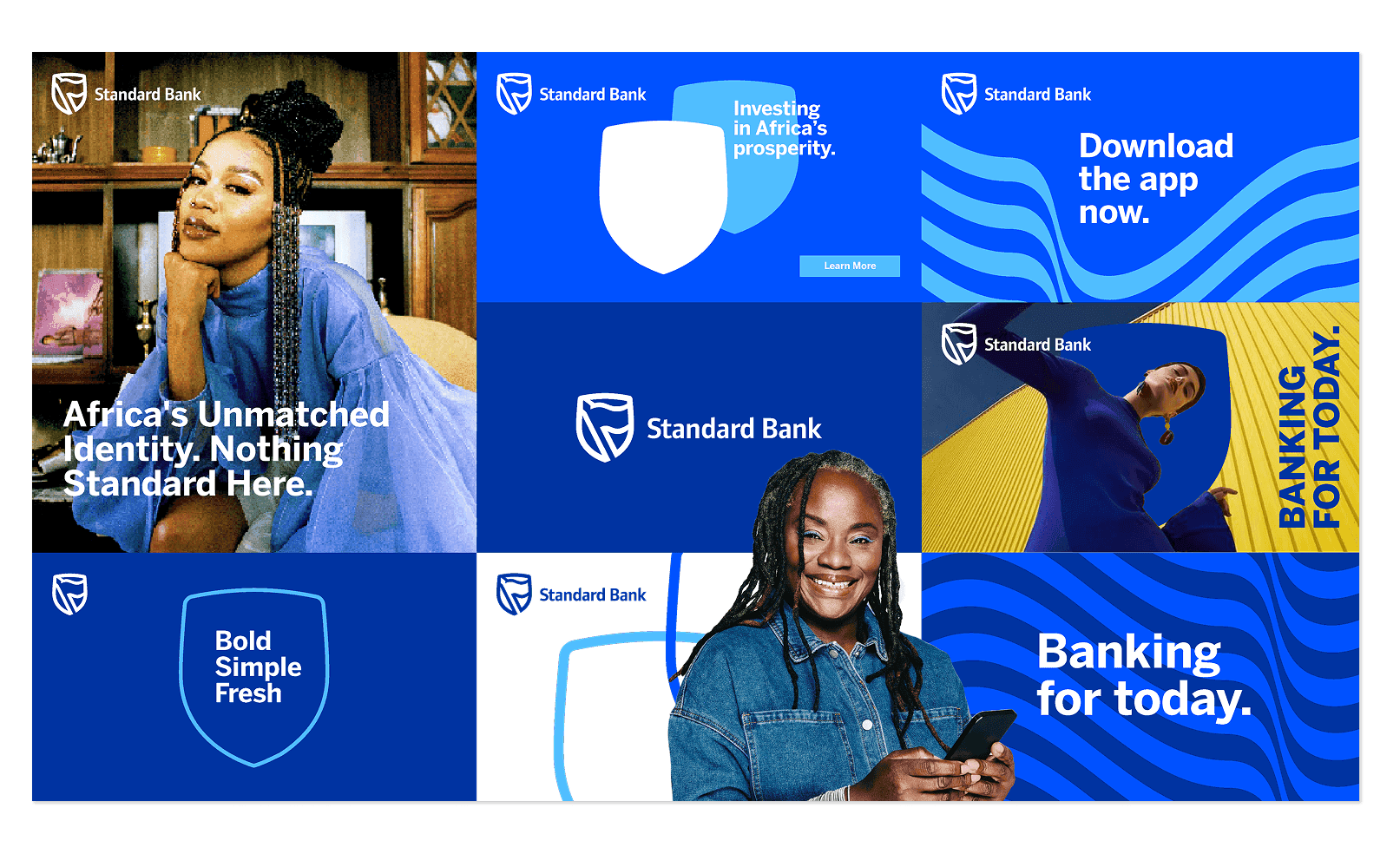
One website, two clear paths, one local identity
To make sure the redesign was grounded in real context, I facilitated a series of workshops with the local team, bringing together marketing, sales, and both the Business Bank and Personal Bank teams. The findings were later presented to the Head of Marketing and the company board.
The workshops covered six areas: a Group Design System audit, a heuristic evaluation of the current interface, persona definition and audience mapping, a comparative analysis of strengths versus critical gaps, a wishful thinking session on brand positioning, and a needs prioritisation exercise that shaped the project roadmap.


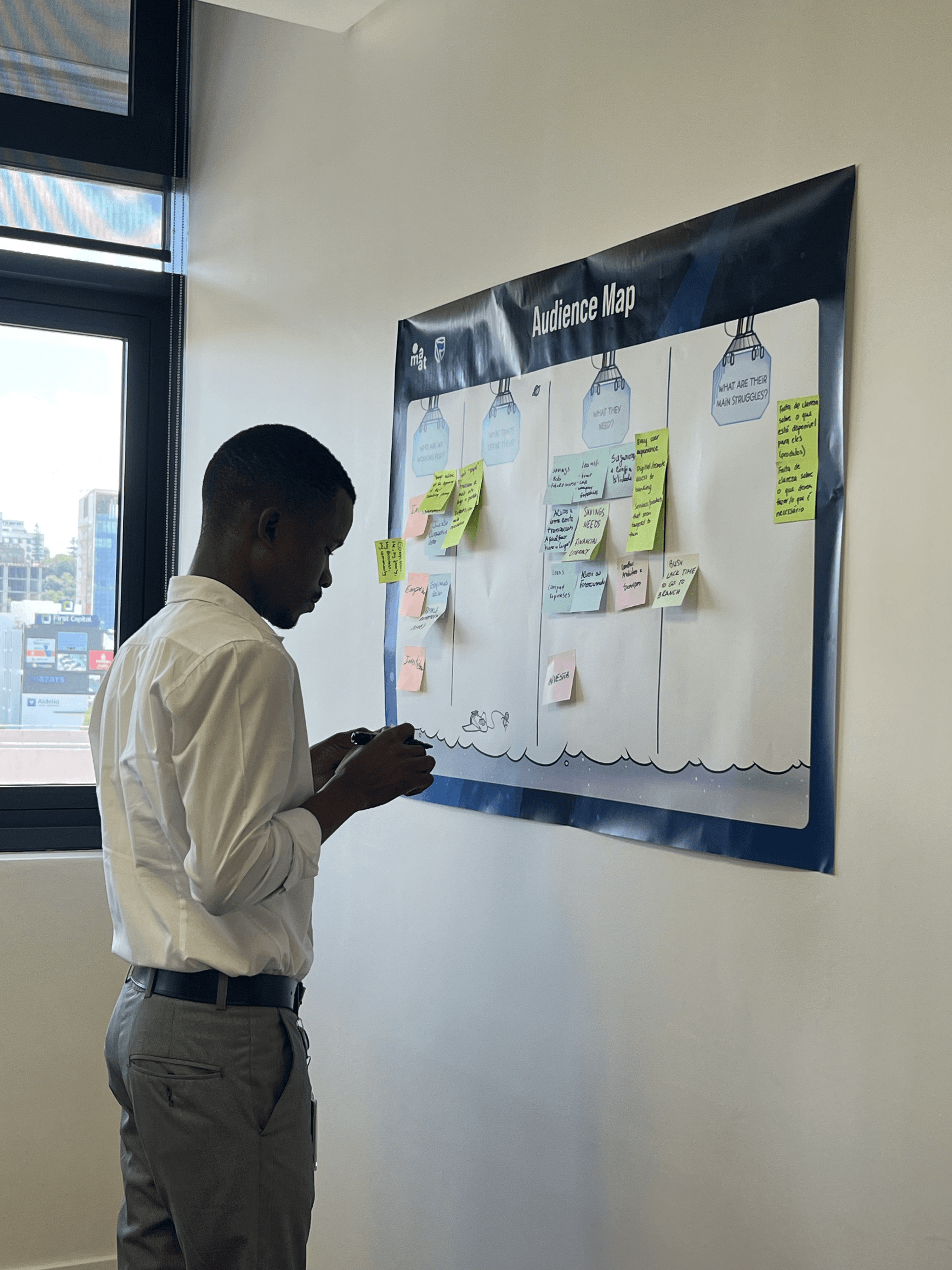


One finding stood out immediately: the Mozambique agency had never had access to the group's Design System. This wasn't a case of deviation from standards. The local team had been building without the foundation everyone else in the group was working from. That changed everything about how we approached the project.
The workshops also confirmed two structural problems in the current experience. Corporate and Personal clients were landing in the same undifferentiated space with no clear path forward. And the website felt imported, generic, disconnected from the market it was supposed to serve.
The obvious fix for the segmentation would have been two separate websites. But that's not how the group operates, and it would have created fragmentation that worked against the brand. Instead, I designed a single website with a clear segmentation architecture from the moment a user arrives. Two distinct paths, one coherent experience.
Solving the local identity problem required a different kind of decision. The answer wasn't patterns or iconography. It was simpler and more powerful: show the people. Real smiles, real energy, the warmth and strength that define how Mozambicans carry themselves. Every image was chosen to reflect the community, not represent it abstractly.
The group had no resistance. The local team saw themselves in the final design immediately. That was the confirmation the decision was right.
A website that finally works on both levels. Fully aligned with the Standard Bank Group Design System, and unmistakably Mozambican. The local team felt represented. The group saw their standards respected. And users got a clearer, more intuitive experience that speaks to them directly.


WHAT I'D DO DIFFERENTLY
Running direct client interviews alongside the Google Reviews analysis would have added sharper user insight to the process. Internal workshops are powerful, but external validation earlier would have reduced assumptions and likely surfaced friction points sooner.
Next Case Studie

